





Wheelchair: Which one is better, a big wheel or a small wheel?
Wheelchair Selection: Large Wheels or Small Wheels?
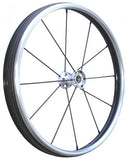
Differences Between Large and Small Rear Wheels
- User's Mobility Independence: Users can propel themselves with large wheels. Not possible with small wheels.
- User's Living Space: Large wheels require a larger turning radius . Small wheels require a smaller one.
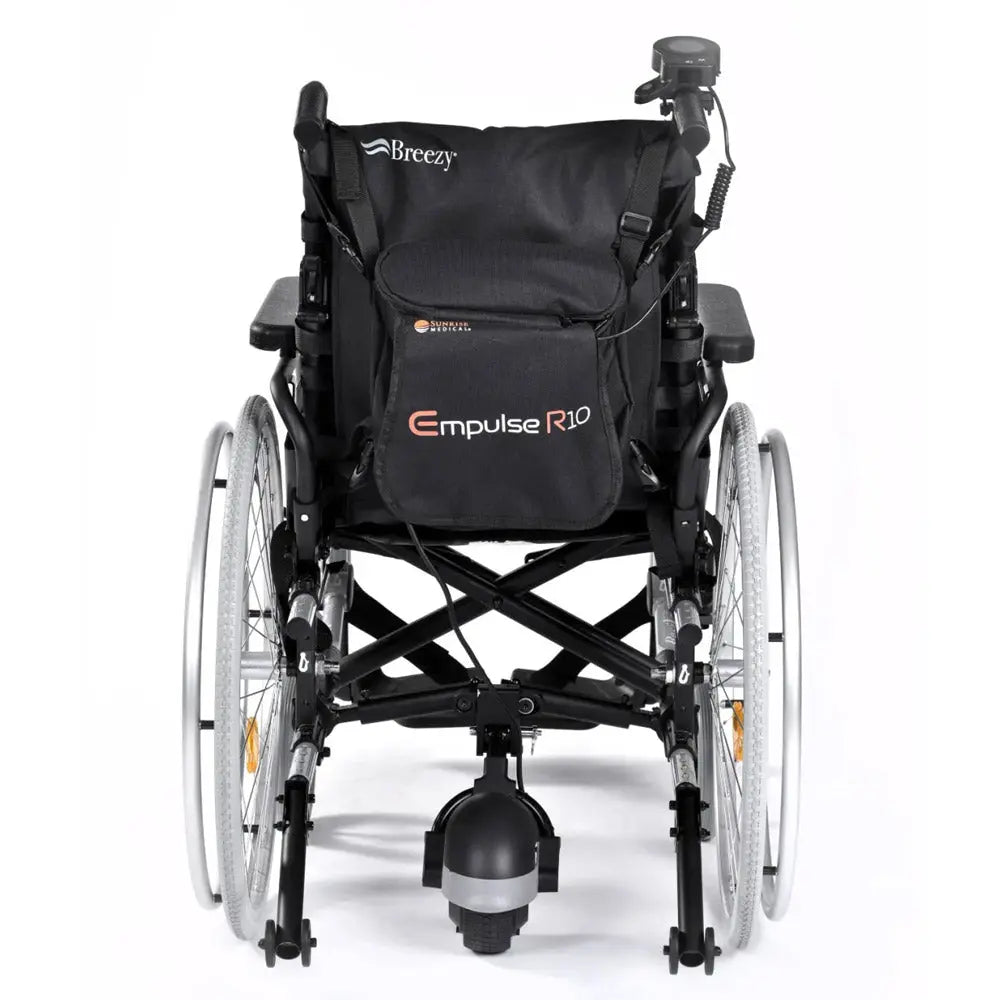
Suitable for those using rear large wheel wheelchairs:
- Users with sufficient upper body strength to propel the wheelchair themselves, who are heavier, and whose travel surfaces are bumpier.
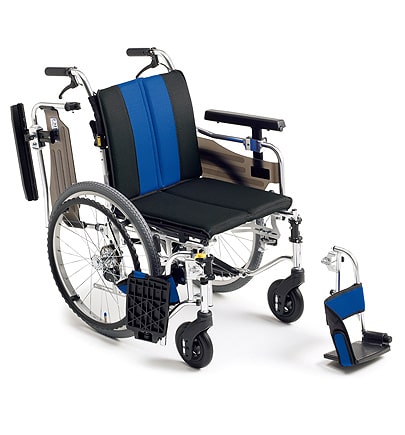
Suitable for those using rear small wheel wheelchairs:
Caregivers propel the wheelchair, the wheelchair needs to be transported into and out of vehicles, there is a need to transfer to and from bed, and home passages are narrow.
Debunking myths about large and small wheels:
X Large wheels are more stable - Stability is not determined by the size of the rear wheels, but by the distance between the front and rear wheels, and the contact area of the tires with the ground.
X Large wheels are sturdier - Sturdiness is determined by the material and thickness of the tires.
X Large wheels are easier to push - Large wheels are not necessarily easier to push, just more effortless. For the same distance, large wheels roll twice, while small wheels roll four times. For caregivers, they are more effortless to push. Ease of pushing depends on the wheel bearings.
Note: When choosing a wheelchair, remember not to fall into the misconception that bigger wheels are always better. Large wheels are convenient to push and require less effort, but they can affect turning and transfer space. Small wheels are also convenient and easy to push, but require someone else to push them.
The above points can serve as considerations for choosing between large and small wheels, helping you find the most suitable wheelchair.