





Wheelchair Caregivers' Pain and Solutions - Power Assist
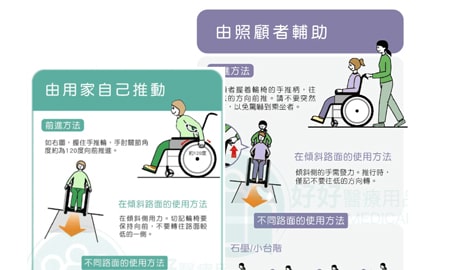
Over the years, in addition to helping you choose a suitable wheelchair, we also need to consider the caregivers of wheelchair users.

Studies show that a large number of wheelchair caregivers (who provide more than 20 hours of care per week) experience physical exhaustion and fatigue, and even injuries, including back, neck, shoulder, and hand strains. Common issues include:
- Physical exhaustion and fatigue
- Wrist tendonitis
- Frozen shoulder
- Achilles tendonitis
- Stress injuries (fractures), etc.

- Cannot control an electric wheelchair
- Are elderly caring for elderly, or heavy users
- Live in environments with frequent slopes
- Have outdoor mobility needs
| Electric Assistive Solution: |
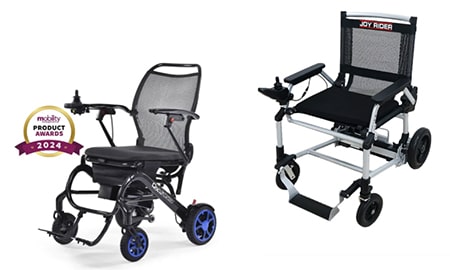
Electric Wheelchair (Rear control/Remote control)
|
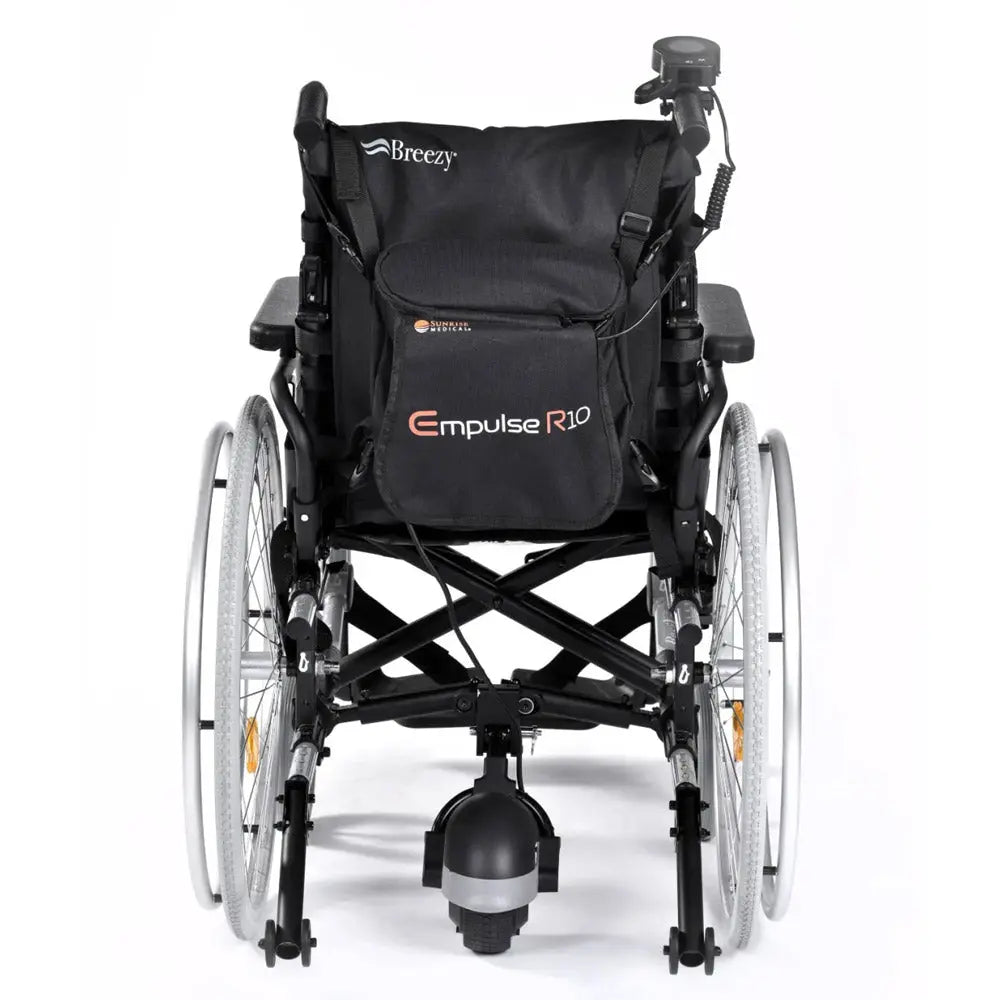
Manual Wheelchair with Electric Assist Wheels
|
|---|---|---|
| Propulsion Method | Completely driven by electric motor | Manual wheelchair, with electric motor providing assistance |
| Operation Method | Operated from the rear via a controller, with a joystick or buttons | User still needs to push manually, but can choose to activate electric semi-automatic or fully automatic propulsion |
| Applicable Users | Individuals with weak physical strength or unable to propel themselves | Already have a manual wheelchair and wish for additional power support |
| Weight | Usually heavier, as it includes batteries and motors | Lighter, only needs to be installed on a manual wheelchair |
| Portability | Not easy to carry, especially larger models | Easy to install and remove, convenient for carrying and storage |
| Travel Distance | Can usually travel longer distances | Travel distance depends on user's physical strength and battery capacity |
| Safety | Equipped with multiple safety features, such as anti-tipping design | Usually has automatic deceleration function to ensure safety |
| Maintenance Needs | Requires regular inspection of batteries and motors | Mainly maintains the manual wheelchair parts and assistive devices |
| Points to Note When Choosing |
1. Whether the rear controller can control forward, backward, left, and right movement. Some rear controls can only move the electric wheelchair forward and backward. |
1. The frame design of the manual wheelchair, whether electric assist wheels can be installed. If needed, please consult our experts first. |
| Related Products |
Electric Wheelchair - Rear Control Conversion |


Summary
If the caregiver is fatigued or injured, and the user cannot propel themselves or use an electric wheelchair,
electric assistive devices may be the most helpful for caregivers.
- Electric Wheelchairs (Rear control/Remote control): Suitable for caregivers who need to rely entirely on electric power, providing greater convenience, but not easily portable.
- Electric Assist Wheels: Add electric support to manual wheelchairs, allowing users to gain extra assistance while maintaining some autonomy, and are easy to carry.
All of the above can be customized according to the user's height requirements and the caregiver's hand position. If you have any inquiries, please contact our wheelchair/electric wheelchair experts.