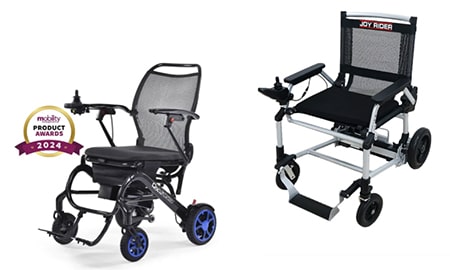





The XSTO X12 is a heavy-duty electric stair-climbing wheelchair equipped with LiDAR radar, automatic balancing seat, and posture adjustment. It combines advanced technology, comfort, and safety into a high-end mobility device. It automatically senses its environment and can conquer various terrains with precise AI control.
The X12 is the world's first AI all-terrain robot. The X12 international version offered in Hong Kong has an independent serial number, and its quality standards must pass UK, European, and US standards and fire tests. It also supports OTA firmware updates to enhance its functionality, ensuring the highest quality and capabilities.
The X12 features a hybrid four-wheel, track-based chassis design with LiDAR obstacle detection, combining four-wheel independent power, suspension shock absorption, and track stair-climbing capabilities. It can easily handle stairs, ramps, hidden slopes, uneven roads, railway potholes, and various complex terrains.
The X12 features three intelligent driving modes that can switch between four-wheel drive, obstacle-crossing, and track modes depending on the terrain, allowing free movement on flat ground, slopes, steps, and stairs.
Independent four-wheel drive combined with suspension shock absorption, and the front wheels can be controlled independently. Suitable for indoor and outdoor surfaces, ramps, grass, and general outdoor roads, providing a smoother movement experience.
Wheels and tracks work together automatically to more effectively navigate curbs, steps, and transitions with height differences, improving passability and stability on complex road sections.
When entering challenging obstacle environments, the track drive and automatic posture control maintain traction to handle stairs, wide gaps, and more extreme road conditions.
The X12's core is not just stair access, but the integration of all-terrain mobility, 360° self-balancing, smart sensing, and comfortable seating into a single high-end mobility system.

Independent four-wheel power output, with a top speed of 12km/h, high torque enhances obstacle-crossing ability and multi-terrain adaptability.

Maintains a relatively stable and controlled ride even on uneven surfaces.

Track stair-climbing technology supports ascending and descending stairs, reducing limitations caused by architectural barriers.

The seat automatically maintains balance as the terrain changes, improving stability on complex roads and handling Hong Kong's sloped environments.

Can handle slopes, gravel, broken stones, potholes, and various outdoor road environments.

The AI system automatically adjusts modes and output based on terrain and stage, making it easier to navigate complex road sections.

Supports joystick, remote control, and mobile app operation.

Adjustable seat, recline, and memory settings ensure comfort for long rides and daily use.
The X12 not only emphasizes obstacle-crossing ability but also focuses on comfort for long rides, including a self-balancing seat, adjustable seating posture, armrests, and seat size settings, as well as a more relaxing riding experience.
The 360° automatic balancing system actively adjusts posture according to terrain changes, reducing the discomfort caused by bumps and preventing backward tilting.
Comfortable design and memory settings help enhance the overall riding experience during long outings.
Seat width, depth, height, backrest, and armrests can all be adjusted as needed, balancing personalization with daily practicality.
Electric control and memory settings for backrest recline allow for subtle adjustments for different states such as reading, dining, or prolonged sitting, effectively distributing body pressure. Height adjustment allows users to freely adjust seat height, easily reach items, and maintain eye-level interaction in social settings. Recline (Tilt+Recline) provides complete relaxation, perfectly meeting the individual needs of users at all times.

The X12's high-precision front and rear LiDAR continuously scans the surrounding environment, actively identifying obstacles and assisting navigation. It also uses gyroscopes, spatial sensing, and positioning algorithms for obstacle detection and driving judgment, enhancing peace of mind during travel.


Welcome to book a test ride, inquire, experience in-store, or request a customized assessment service.
The core concept of the X12 all-terrain mobile robot is to leverage multimodal perception and adaptive algorithms, enabling the robot to autonomously assess terrain and dynamically transform.
1. "Seeing" and "Understanding" - Multi-sensor fusion for spatial modeling - Built-in multiple sensors
2. "Switching" dynamic mode switching:
3. 360° Active Adaptive Balancing Safety Protection (Active Balancing Control)
X12 is the international version, and X13 is the domestic Chinese version. The product structure is the same, but the X12 adheres to international standards, with higher testing requirements for some components, and is quoted and shipped in US dollars, hence the higher cost.
Products in Hong Kong must comply with international safety standards, so the legally provided version is the X12 international version. The product will have a unique HK serial number, and the packaging and labels will be in English. It must meet British, European, and American quality standards and fire safety test requirements. Furthermore, OTA firmware updates to enhance functionality can be performed outside of China, ensuring the highest quality and functionality.
The XSTO X12 represents a generational leap compared to traditional electric stair climbers (both track-type and pole-type). Traditional stair climbers are "single-function passive medical aids," while the XSTO X12 is an "intelligent mobile robot."
1. Operational Autonomy (Key Difference)
2. Ride Safety and Body Posture (Comfort Difference)
3. Scene Adaptability (One Machine Does It All vs. Frequent Switching)
4. Technological Content (Sensing and Decision-Making Capabilities)
1. Slim design adapted for Hong Kong's narrow indoor environments
2. Addresses the challenge of old walk-up buildings in Hong Kong that lack elevators
3. Capable of handling Hong Kong's hilly and sloped urban terrain
4. Alleviates the burden of "elderly caring for elderly" in Hong Kong families
5. The X12 is an international version, complying with Hong Kong and international requirements, and also meets fire safety standards
6. Solves the problem of "height gaps" between MTR trains and platforms
7. Battery can be quickly removed and replaced
8. "All-day uninterrupted" high endurance solution for Hong Kong
1. Stair and Obstacle Dimensions X12 Can Handle ✅
Gap Crossing and Obstacle Clearance Limits:
2. Environments Where Use is "Not Recommended"? (🚫 Physical and Safety Limitations)