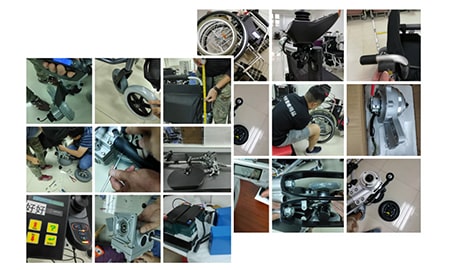






Electric Wheelchair - Electromagnetic Brakes vs. Electronic Brakes (Domestic EABS/Intelligent Brakes)
Electric Wheelchairs - Electromagnetic Brakes vs. Electronic Brakes
Recently, I noticed a system called "electronic brakes" (also known as EABS or smart brakes in mainland China) on the market. In reality, this is just a basic self-locking function when powered on. What we have always provided, and what is superior, are primarily electromagnetic brakes.

Braking systems for lightweight electric wheelchairs are mainly divided into two types: electronic brakes and electromagnetic brakes:
- Also known as EABS or smart brakes in mainland China
- Achieved based on the self-locking function of the motor
- When powered on, the brushless or brushed permanent magnet motor generates an electromagnetic field, creating resistance
- This resistance acts as the self-locking function, providing basic braking effect
- Disadvantage: If external force exceeds the resistance, it may forcibly push the motor, posing a potential risk of damage
- Provide dual braking protection
- Includes a manual/electric conversion lever, which is actually a brake
- When switched to electric mode, the internal brake discs clamp together
- Simultaneously triggers a sensor, putting the wheelchair into electric mode
- Provides a more reliable braking effect than electronic brakes
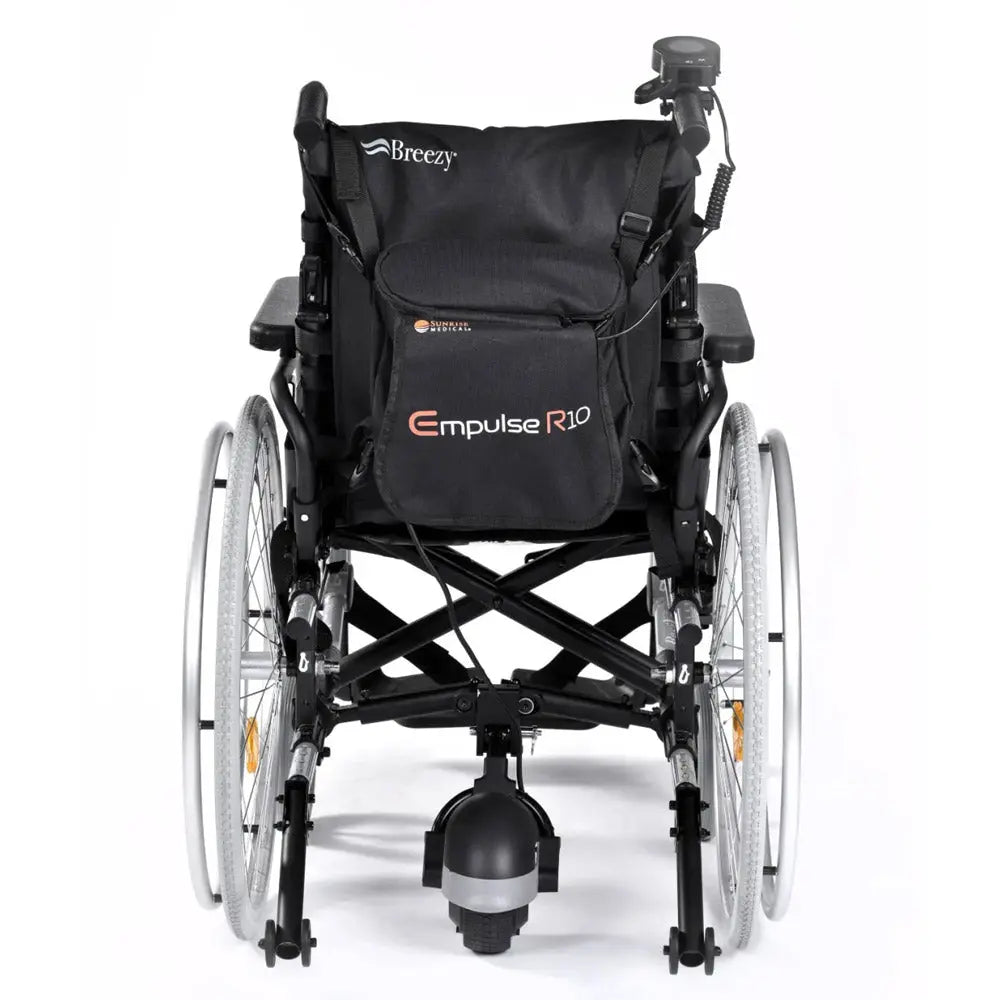
The manual/electric conversion lever (the red lever in the picture below) is actually a brake. When pushed to electric mode, the internal brake discs clamp together, and simultaneously contact a sensor, letting the electric wheelchair know it is in electric mode.

Comparison of Electromagnetic Brakes vs. Electronic Brakes:
Appearance |
Electromagnetic Brakes (with manual/electric conversion lever) |
Electronic Brakes (without manual/electric conversion lever) |
| Performance on Slopes |
|
|
| Braking Principle |
|
|
| Result | Instant automatic braking is safer, easier to use, and more durable |
Will roll backward or lose control on slopes, |
Video Demonstration - Electromagnetic Brakes vs. Electronic Brakes
The advantage of the electromagnetic braking system lies in its dual protection mechanism, which not only relies on the motor's self-locking function but also has an additional mechanical braking device.
This design increases safety, especially when stronger braking force is needed or in unexpected situations. Although most electric wheelchairs have some degree of self-locking function (electronic brakes) when powered on, wheelchairs equipped with an electromagnetic braking system (manual/electric conversion lever brake) offer more comprehensive dual safety protection.
For any inquiries, please contact 3568 0755
Related articles:
Electric Wheelchairs - Brushed Motors vs. Brushless Motors
How to Choose an Electric Wheelchair - Brushed Motors vs. Brushless Motor Controllers
Lightweight Electric Wheelchair Buying Guide
Updated March 19, 2025 - Copyright © Hoho Medical Supplies